

Why Profitable Businesses Still Run Out of Cash (and How to Fix It) Your income statement says you made money. Your bank balance says you are nearly out of it. That gap is one of the most common and most misunderstood pressures in business, and it has very little to do with whether you run a good company. If you have ever closed a strong month, then opened your bank account a week later and felt your stomach drop, you are not alone, and you are not failing. Profitable businesses run short of cash all the time. We see it...
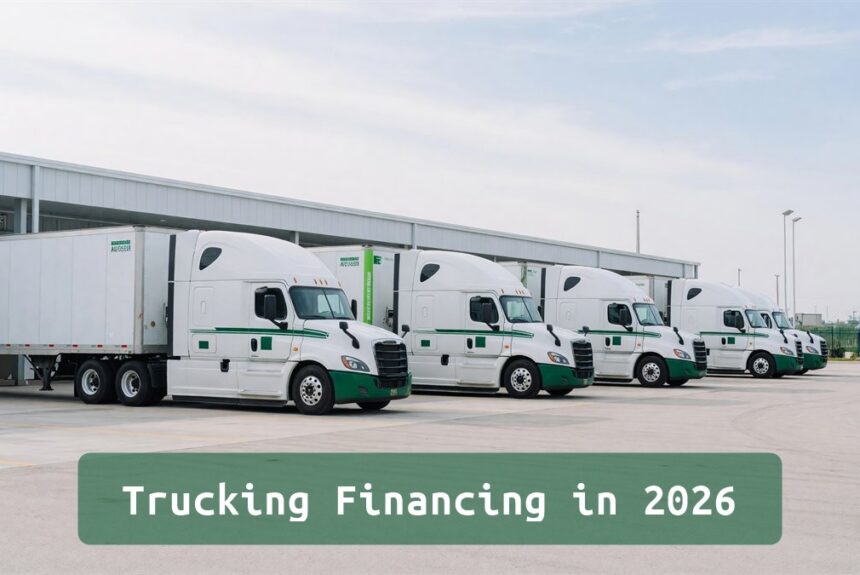
Trucking Cost Squeeze: Financing Options for Rising Fuel and Equipment Costs
Trucking Cost Squeeze: Financing Options for Rising Fuel and Equipment Costs Carriers are paying record costs to keep trucks moving, then waiting weeks to get paid for the loads they have already delivered. Here is what is driving the 2026 trucking cost squeeze, and how freight factoring and equipment financing help owner-operators and fleets manage the gap between spending and getting paid. How are trucking companies handling higher costs in 2026? Trucking companies are managing higher 2026 costs by tightening operations and, increasingly, by financing the cash-flow gap their costs create. Two tools do most of the work: freight factoring,...

Restaurant Summer Season: Financing Inventory and Staffing for Peak Demand
Restaurant Summer Season: Financing Inventory and Staffing for Peak Demand Summer is when most restaurants make their year. It is also when they spend the most before the revenue arrives: more inventory, more staff, more prep, all funded weeks ahead of the rush. Here is how operators bridge that gap with restaurant financing built for summer 2026 and the seasonal cash cycle behind it. How do restaurants fund staffing and inventory for the busy season? Restaurants fund the summer ramp by using short-term working capital that repays as peak revenue comes in, rather than draining reserves to cover the upfront...
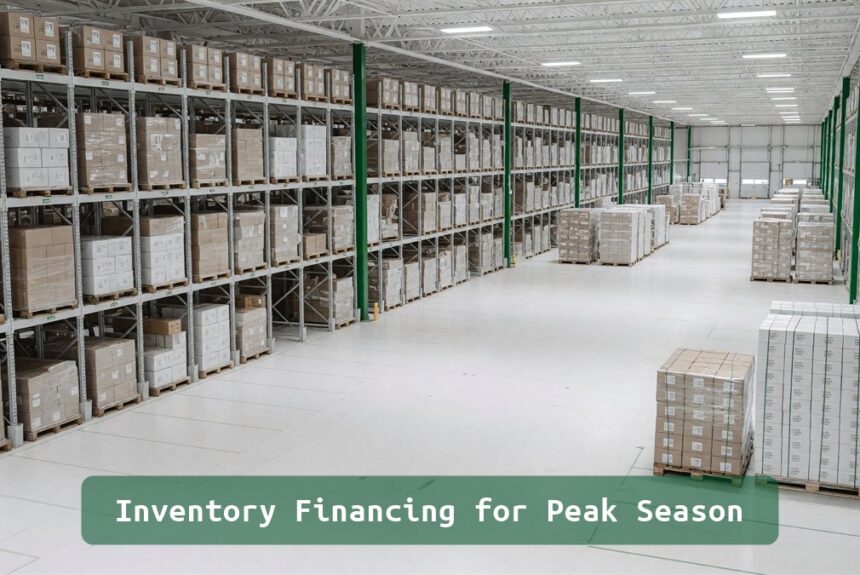
Inventory Financing: Stocking Up Before Q3-Q4 Peak Season
Inventory Financing: Stocking Up Before Q3-Q4 Peak Season The fourth quarter can decide a retailer’s whole year, but the inventory that powers those sales is bought and paid for months earlier. Here is how retailers, e-commerce sellers, and distributors fund the Q2-Q3 build for the Q4 peak, and how inventory financing keeps that stock from draining your working capital. How do retailers finance seasonal inventory? Retailers finance seasonal inventory by borrowing against the value of the stock itself, so they can buy goods ahead of demand without tying up cash they need to run the business. The most common tool...

Article 9 Section 363 Distressed Acquisition Financing
Article 9 vs Section 363: How Distressed Acquisition Structure Affects Financing Capacity The path used to buy distressed assets can shape lender confidence, leverage, equity requirements, and the durability of the post-close capital stack. Buyers often view distressed acquisitions through the lens of speed. If the target is under pressure, the buyer wants to move fast, preserve value, limit cost, and close before the opportunity disappears. That instinct is understandable. It can be incomplete. In a distressed business acquisition, the sale path is not just a legal closing method. It becomes an underwriting variable. The choice between an Article 9...