

Invoice Factoring in 2026: Rates, Advance Rates, and When It Beats a Loan You delivered the work, sent the invoice, and now you wait 30, 60, sometimes 90 days to get paid while payroll and suppliers will not wait at all. Invoice factoring turns those receivables into working capital today, and in a year of tighter bank credit, more B2B operators are reaching for it. Here is how it prices in 2026, and when it genuinely beats a loan. If you run a staffing firm, a wholesale operation, or a manufacturing shop, your cash problem is rarely about whether the...
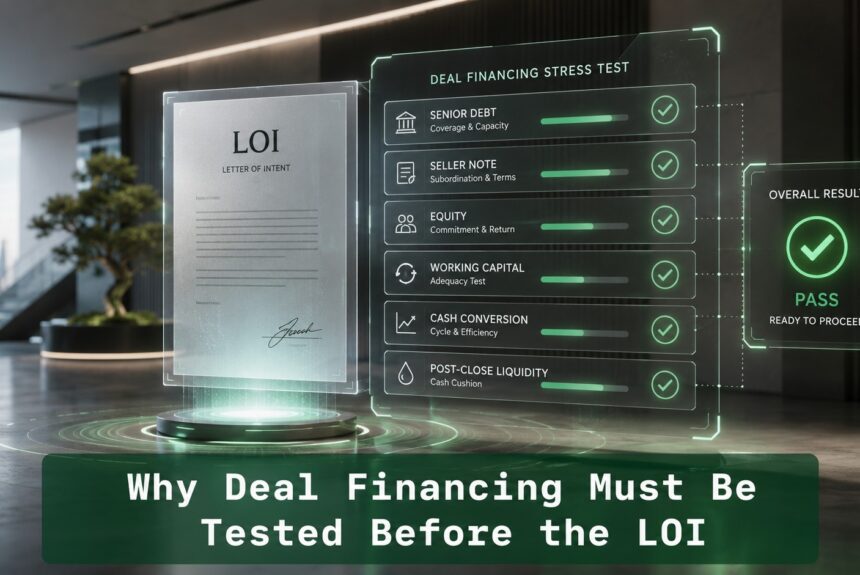
Acquisition Capital Stack Before LOI
Acquisition Capital Stack: Why Deal Financing Must Be Tested Before the LOI A business acquisition can appear fully financed before the financing is truly supportable. The sources and uses table may balance. The purchase price may be agreed in principle. The buyer may have a lender indication, a seller note, and equity lined up. Yet the transaction can still fail if the capital stack cannot be underwritten, documented, serviced, and supported after closing. That is where many acquisition financing discussions start too late. Buyers often ask what type of capital stack they should use. A better first question is whether...
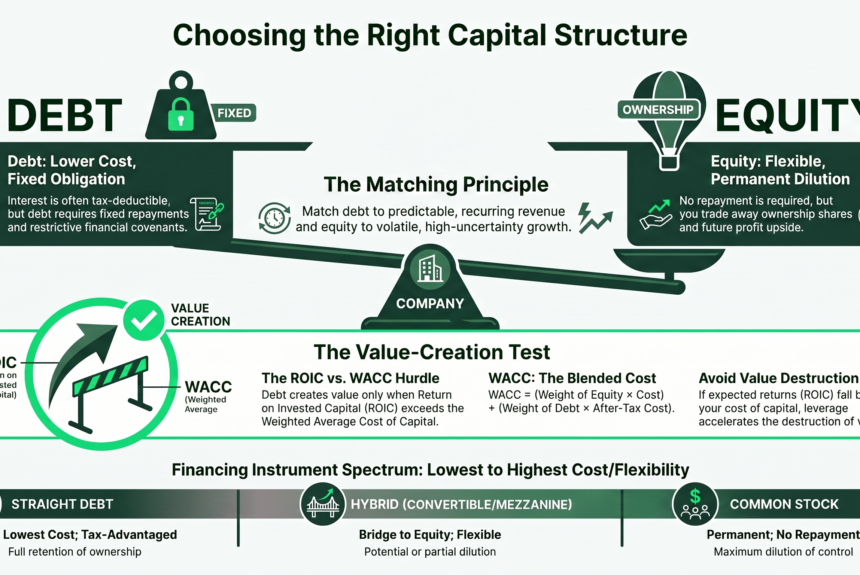
Choosing the Right Capital Structure: Debt vs. Equity vs. Hybrid
Choosing the Right Capital Structure: Debt vs. Equity vs. Hybrid Every growing company eventually faces the same fork in the road: fund the next phase with debt, with equity, or with something in between. The choice is not about which is “better.” It is about matching the financing to the predictability of the cash flow it funds, and the cost of getting it wrong is paid in either ownership or repayment risk. At some point growth outruns the cash on hand, and you have to bring outside capital in. The instinct is to ask “what can I get?” The better...
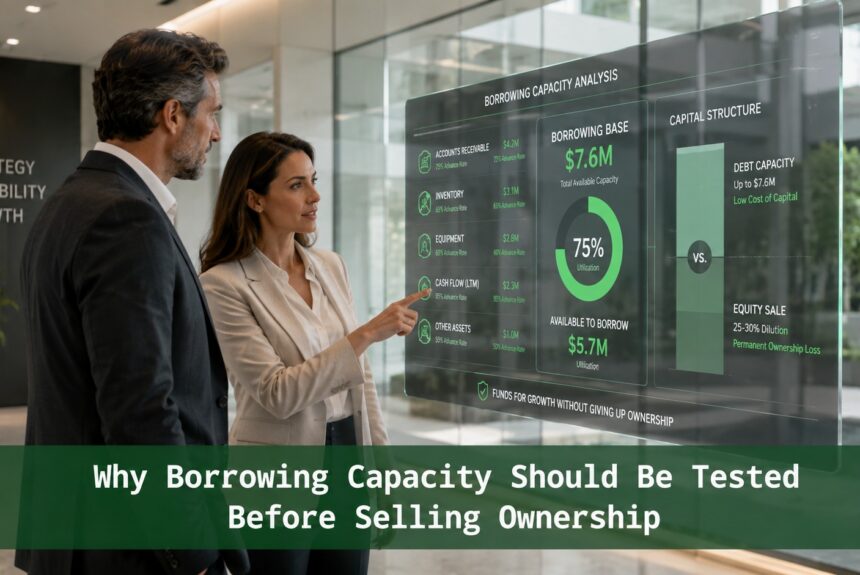
Equity VS Debt Financing Borrowing Capacity
Equity vs Debt Financing: Why Borrowing Capacity Should Be Tested Before Selling Ownership A Capital Structure Framework for Matching Debt Capacity, Collateral, Cash Conversion, and Equity to the Right Funding Need Business owners often face the capital question too late. The company needs cash. Growth is available. Inventory must be purchased. A contract must be fulfilled. Equipment must be replaced. Payroll timing is tight. A competitor may be available for acquisition. A new location may make sense. The owner then asks a broad question: should I sell equity or borrow money? That question is not wrong, but it is incomplete....
AI Is Rebuilding Professional Services: What It Means for Your Finance Function
AI Is Rebuilding Professional Services: What It Means for Your Finance Function Artificial intelligence is quietly rewiring professional services from the inside, and the finance function is near the center of it. Here is what the shift means for how your business runs its numbers, and why the capital partner you choose now matters more than it did a year ago. For most of the last two decades, the businesses that served you, your accountant, your lawyer, your insurance broker, your lender, sold you a tool or a process and billed for the hours around it. That model is being...