

Seller Notes in Acquisition Financing: Why Deferred Purchase Price Must Be Stress Tested How Buyers Should Test Seller Financing Before the LOI A seller note can make an acquisition look financeable before the repayment structure has been proven. The buyer reduces the cash required at closing, the seller bridges a valuation gap, and the senior lender may view seller participation as a sign of confidence. Yet none of those benefits prove that deferred purchase price can be paid safely after the business changes hands. A seller note is not free capital. It is delayed purchase consideration that usually becomes buyer...
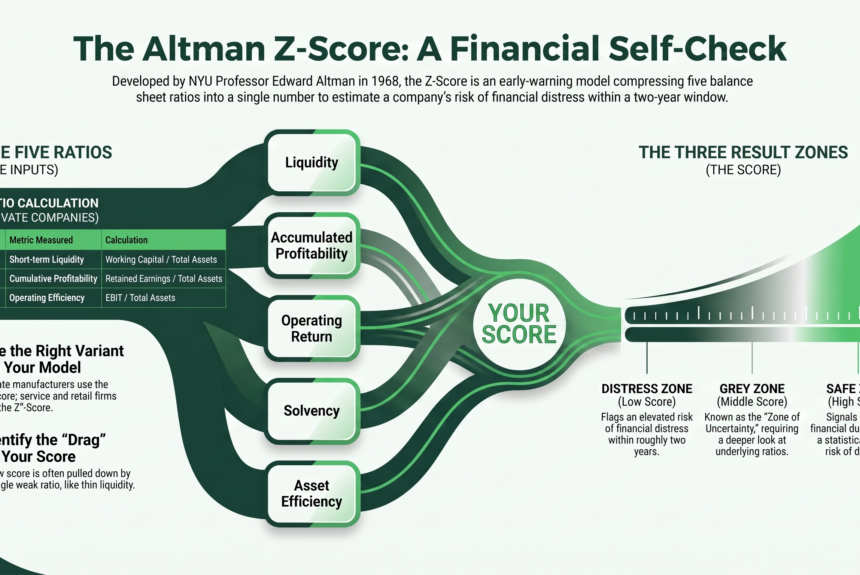
The Altman Z-Score: Score Your Financial Health Before the Bank Does
Before a credit team ever reads your story, many run a quiet piece of math that compresses your whole balance sheet into a single number. You can run that same number yourself, on your own statements, weeks before you apply, and know roughly how a lender’s model is likely to read you. The Altman Z-Score is one of the most widely taught early-warning models in commercial finance, and it is sitting inside spreadsheets and credit tools you will never see. It takes five ratios off your financial statements and folds them into one figure that estimates how exposed your business...

Invoice Factoring in 2026: Rates, Advance Rates, and When It Beats a Loan
You delivered the work, sent the invoice, and now you wait 30, 60, sometimes 90 days to get paid while payroll and suppliers will not wait at all. Invoice factoring turns those receivables into working capital today, and in a year of tighter bank credit, more B2B operators are reaching for it. Here is how it prices in 2026, and when it genuinely beats a loan. If you run a staffing firm, a wholesale operation, or a manufacturing shop, your cash problem is rarely about whether the revenue is real. It is about timing. Your clients are creditworthy and they...
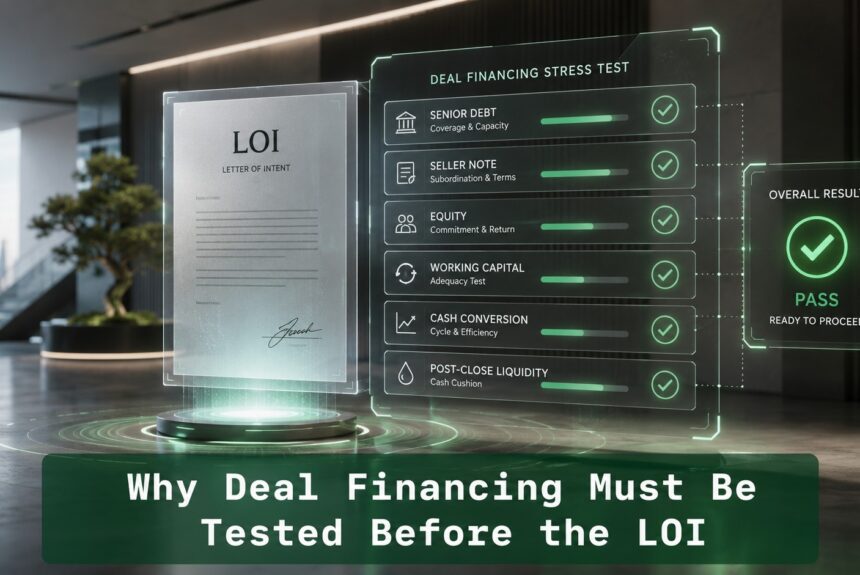
Acquisition Capital Stack Before LOI
Acquisition Capital Stack: Why Deal Financing Must Be Tested Before the LOI A business acquisition can appear fully financed before the financing is truly supportable. The sources and uses table may balance. The purchase price may be agreed in principle. The buyer may have a lender indication, a seller note, and equity lined up. Yet the transaction can still fail if the capital stack cannot be underwritten, documented, serviced, and supported after closing. That is where many acquisition financing discussions start too late. Buyers often ask what type of capital stack they should use. A better first question is whether...
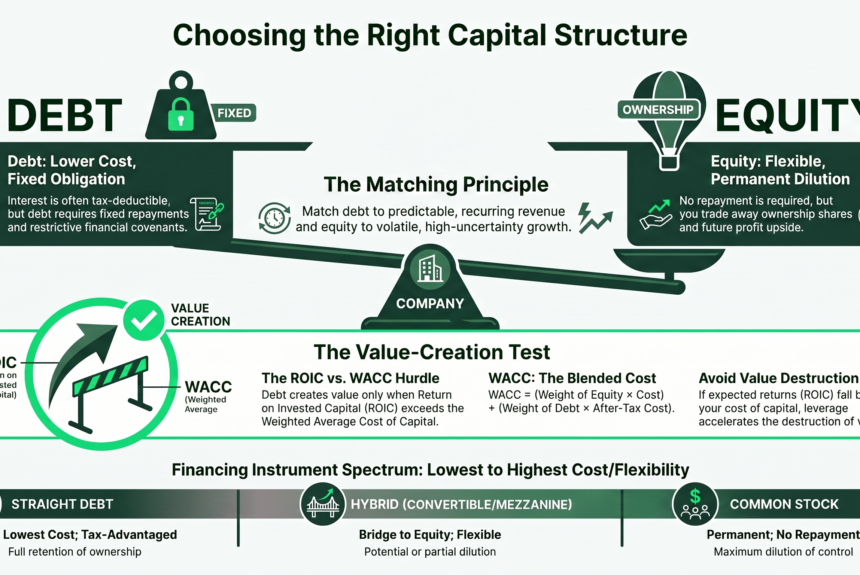
Choosing the Right Capital Structure: Debt vs. Equity vs. Hybrid
Every growing company eventually faces the same fork in the road: fund the next phase with debt, with equity, or with something in between. The choice is not about which is “better.” It is about matching the financing to the predictability of the cash flow it funds, and the cost of getting it wrong is paid in either ownership or repayment risk. At some point growth outruns the cash on hand, and you have to bring outside capital in. The instinct is to ask “what can I get?” The better question is “what should this look like?” Debt is cheaper...