
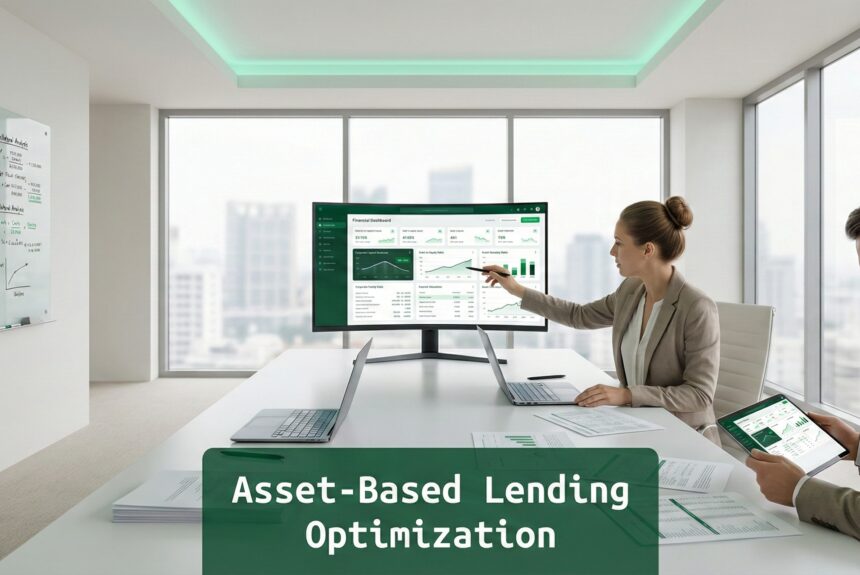
Asset-Based Lending Optimization: The Capital Structure Mechanism for Scalable Growth Introduction In earlier stages of capital progression, leadership builds operating leverage and structural durability. Growth eventually tests liquidity. Strong EBITDA performance can still strain under expansion if capital availability does not scale with operations. Asset-Based Lending (ABL) Optimization addresses this constraint. Rather than anchoring liquidity to historical earnings snapshots, ABL ties borrowing capacity directly to the real-time asset base — accounts receivable, inventory, and select equipment. For growth-oriented operators and PE-backed platforms, this creates a capital structure that expands alongside operational velocity rather than constraining it. Key Points Static cash-flow...

Protect Cash Flow During Inflation
How to Protect Cash Flow During Inflation: A Practical Guide for Business Owners Introduction Inflation is not just an economic headline. For business owners, it quietly reshapes the math behind every transaction. When the dollar loses purchasing power, your cash does not behave the same way it did five years ago. Materials cost more. Replacement inventory rises in price. Labor adjusts. Credit tightens. If your capital structure isn’t engineered for this environment, inflation acts like a silent tax on your working capital. This article breaks down how inflation impacts small businesses — and how to protect cash flow during inflation...
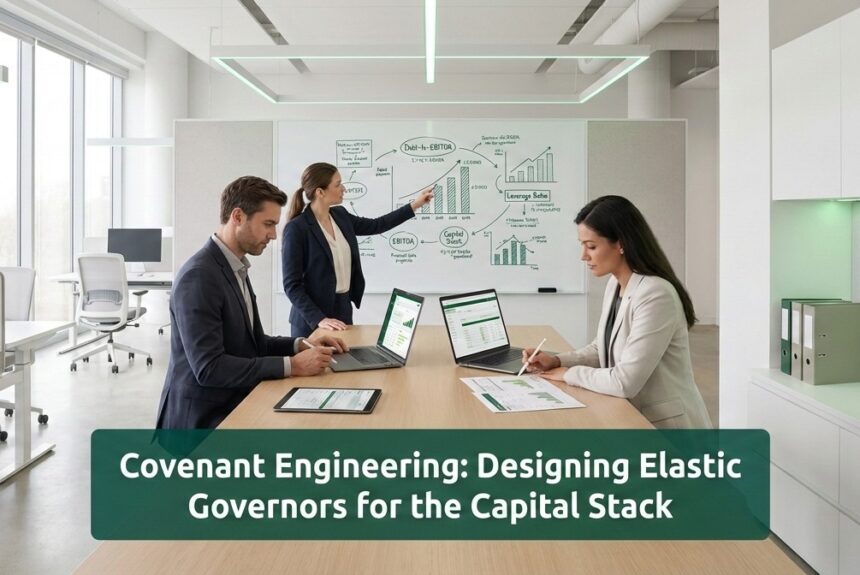
Covenant Engineering Elastic Governors Capital Stack
Covenant Engineering: Designing Elastic Governors for the Capital Stack Introduction In Article 1, we established the Velocity Pitch—the shift from selling “growth” to proving capital rotation. But securing capital is only half the equation. The second half is ensuring the structure you’ve built can survive the friction of the real world. Most middle-market debt is wrapped in what can best be described as a glass hull: static covenants designed around linear forecasts and idealized performance. When the macro environment vibrates—as it always does—those rigid structures fracture. Liquidity freezes, management focus shifts, and otherwise healthy businesses stumble into technical default. This...
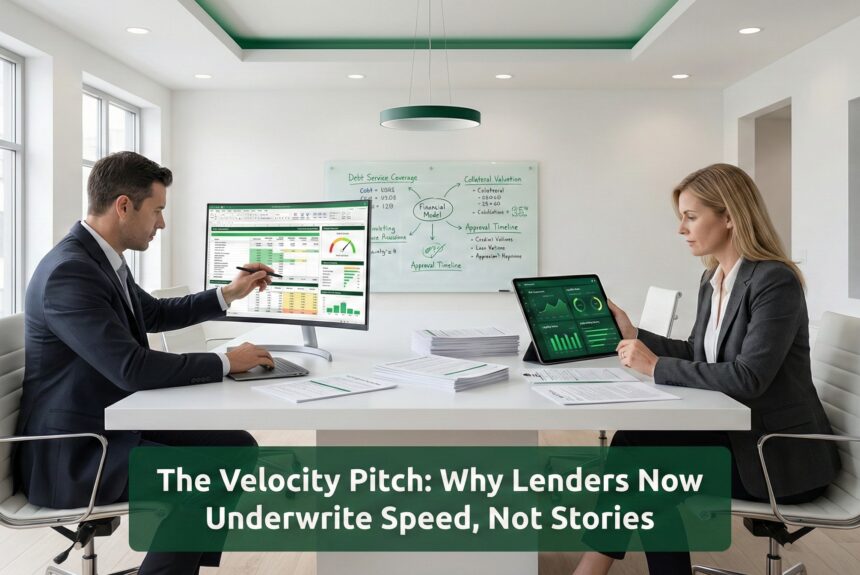
The Velocity Pitch Why Lenders Now Underwrite Speed Not Stories
The Velocity Pitch: Why Lenders Now Underwrite Speed, Not Stories The middle market lending environment has quietly shifted. What was once a relationship-driven model is now governed by something closer to physics. Lenders are no longer underwriting just EBITDA and leverage. They are underwriting how efficiently capital moves through your business. In a higher-for-longer rate environment with conservative credit committees, the traditional growth-heavy pitch deck has lost its power. To secure capital today, operators need a different philosophy—and a different proof point. This is where the Velocity Proof comes in. Key Points Growth narratives without cash efficiency now raise underwriting...
Lower Middle Market Outlook The Repricing Of Velocity
Lower Middle Market Outlook: The Repricing of Velocity The lower middle market rarely flashes warning lights all at once. Instead, it sends quiet, compounding signals through credit conditions, lender behavior, and sector-level stress. Recent indicators suggest that the broader economy shows resilience, yet conditions for lower middle market ($5M–$50M revenue) operators are shifting in a fundamental way. This is not a recession call. It is a velocity assessment—a look at how quickly capital moves through a business and what happens when that speed slows. Key Points Capital pricing now reflects speed alongside risk Slow cash conversion carries a measurable penalty...