Tag: Inventory line of credit

Hand holding pen over bar graph with calculator, money, and balance scale on desk — representing debt-to-assets analysis
Post

The Debt to Assets Ratio

🎧 Listen to the Expert Dialogue: Financial Leverage – The Debt to Assets Ratio Demystified Key Points The debt to assets ratio reveals how much of a business’s assets are debt-financed. High ratios (0.7+) increase vulnerability — especially if slow SBA funding forces reliance on interim debt. Delays can drive missed opportunities (e.g., $300K+ lost...


Businessman holding money sign symbolizing strategic borrowing and true cost of capital
Post

Strategic Borrowing

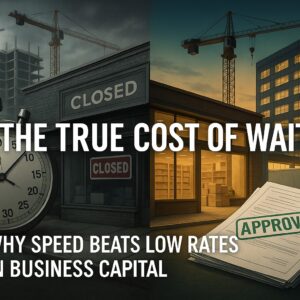
Strategic Borrowing – Turning Debt into a Growth Engine Key Points Debt should accelerate cash flow; DSCR measures true debt capacity. The working capital cycle (DIO + DSO – DPO) drives liquidity; shorter cycles support more debt. Speed of capital often outweighs cost of capital — SBA’s low APR can arrive too late, while fast...

Yellow road sign reading “SBA Loans” with storm clouds in the background, symbolizing upcoming SBA rule changes and challenges in 2025
Post

Market Updates 2025: SBA Policy Shifts

Market Updates: Capital Policy Shifts & Business Growth Access to capital is never static. Shifts in government policy, SBA rules, interest rates, and lender practices can change the availability of funding overnight. For business owners, staying ahead of these shifts isn’t just smart — it’s the difference between capturing growth and missing opportunities. At Capital...

Skyscraper under construction in layered sections representing capital stack financing for businesses
Post

The Capital Stack Explained

The Capital Stack Explained: Aligning Financing for Growth Business growth isn’t fueled by one type of financing. A company that relies on a single loan or credit line risks stalling when the market shifts, approvals slow down, or new opportunities arise. That’s why strong businesses operate with a capital stack — a structured blend of...